
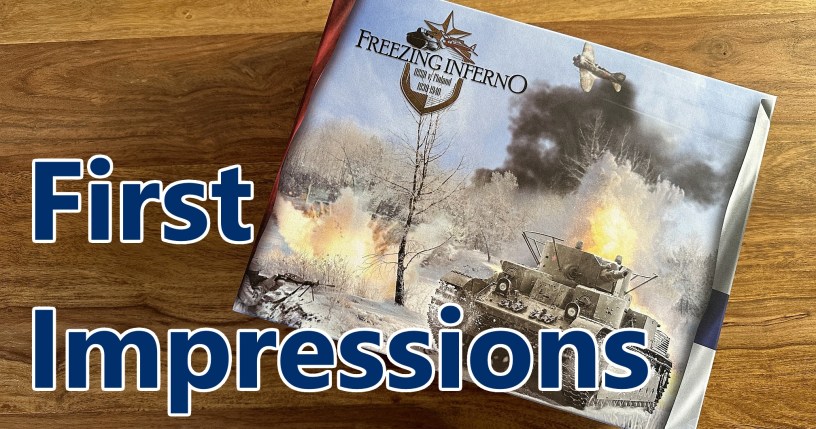
I love discovering new publishers and designers within our hobby. Recently my attention was drawn by Princeps Games and their titles – they were gathering pretty positive opinions and thus I decided to back the Freezing Inferno.
The game arrived like a month ago and I already had a chance to play it multiplayer and solo. Below you will find robust material from me regarding this position – including game description, short historical background, session reports and finally, my initial impressions. Enjoy!
Historical background and game overview
The Winter War was a war between the Soviet Union and Finland. It began with a Soviet invasion of Finland on 30 November 1939, three months after the outbreak of World War II, and ended three and a half months later with the Moscow Peace Treaty on 13 March 1940. Despite superior military strength, especially in tanks and aircraft, the Soviet Union suffered severe losses and initially made little headway. The League of Nations deemed the attack illegal and expelled the Soviet Union.
Now, Freezing Inferno is a 1 or 2 players wargame set in World War 2, covering the 1939-1940 conflict between the USSR and Finland (above-mentioned Winter War). It is a hex & counter game with unique battle mechanism, a lot of strategy, some optional diplomacy and a number of features specific to the harsh winter conditions of the setting.
In my opinion, Freezing Inferno is medium level complexity and lasts from 3 to 6 hours (with experience can be quicker). Variable setup and random cards bringing effects to the game offers great replayability. You can use two sides of the map and three optional modules.
Session Reports
As mentioned, I had a pleasure to play the game twice. First, with Kuba G., my usual wargame partner. It was an introductory play, so we went through 4 turns (half a game). Still, one could see that Finnish position at this moment was in serious jeopardy.
Once I learned the rules, I decided to try the solo module. The game provides pretty short and intuitive suggestions on how to set-up and play the game in that mode – including some bot priorities (pretty intuitive). At the end of the session, I was not even referring to them as they were so straightforward. Let us see how it went!
Picture worth thousand words I will… use pictures to report on my plays! You can click on everyone and enlarge in new window for details.
Competetive Mode Session Report
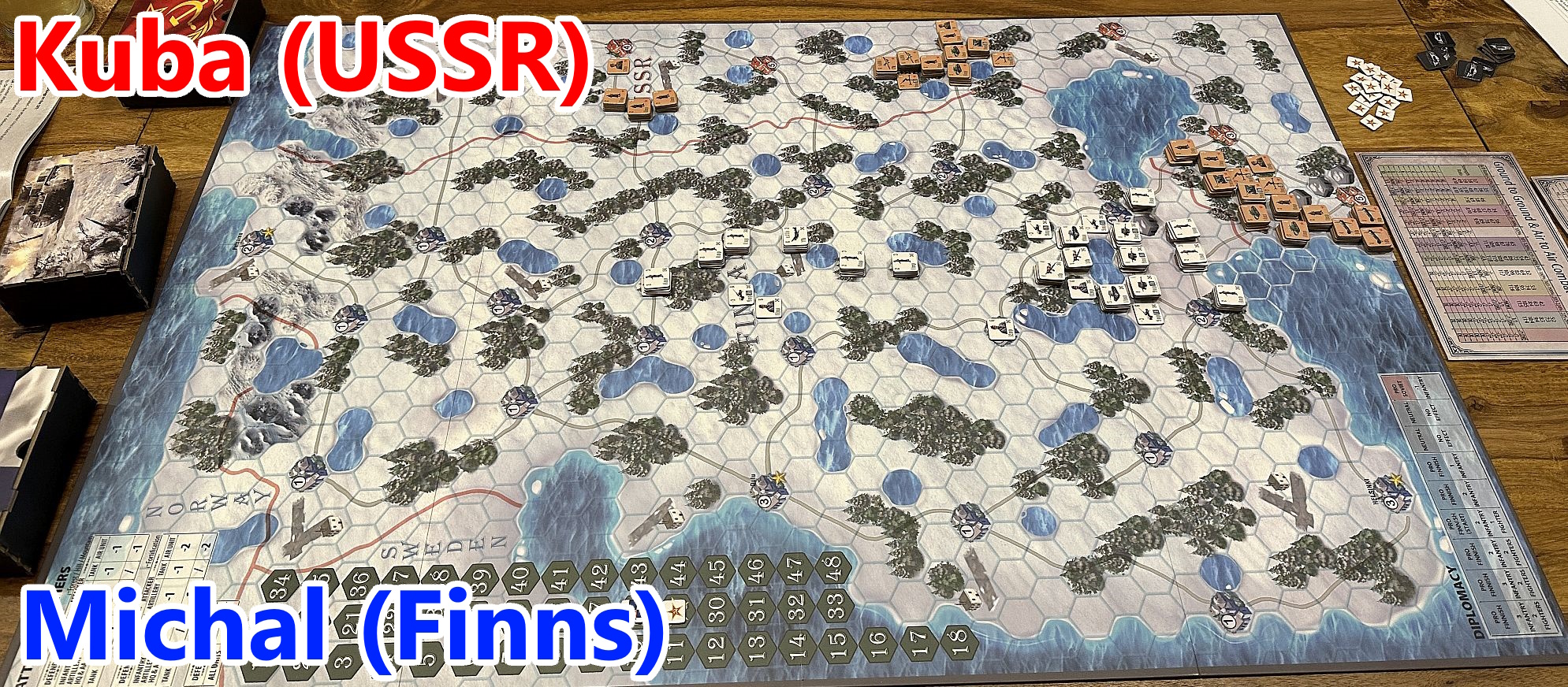
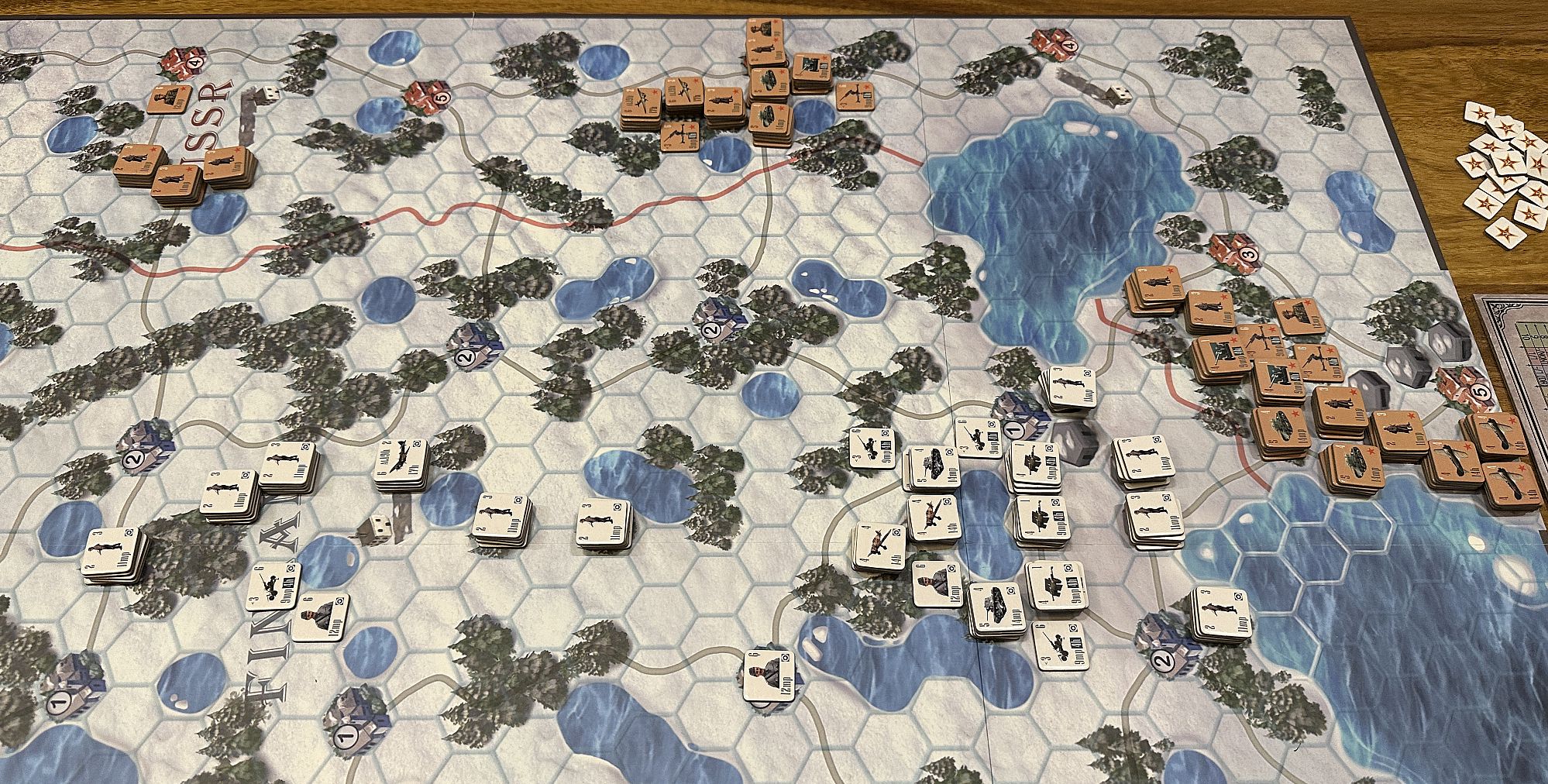
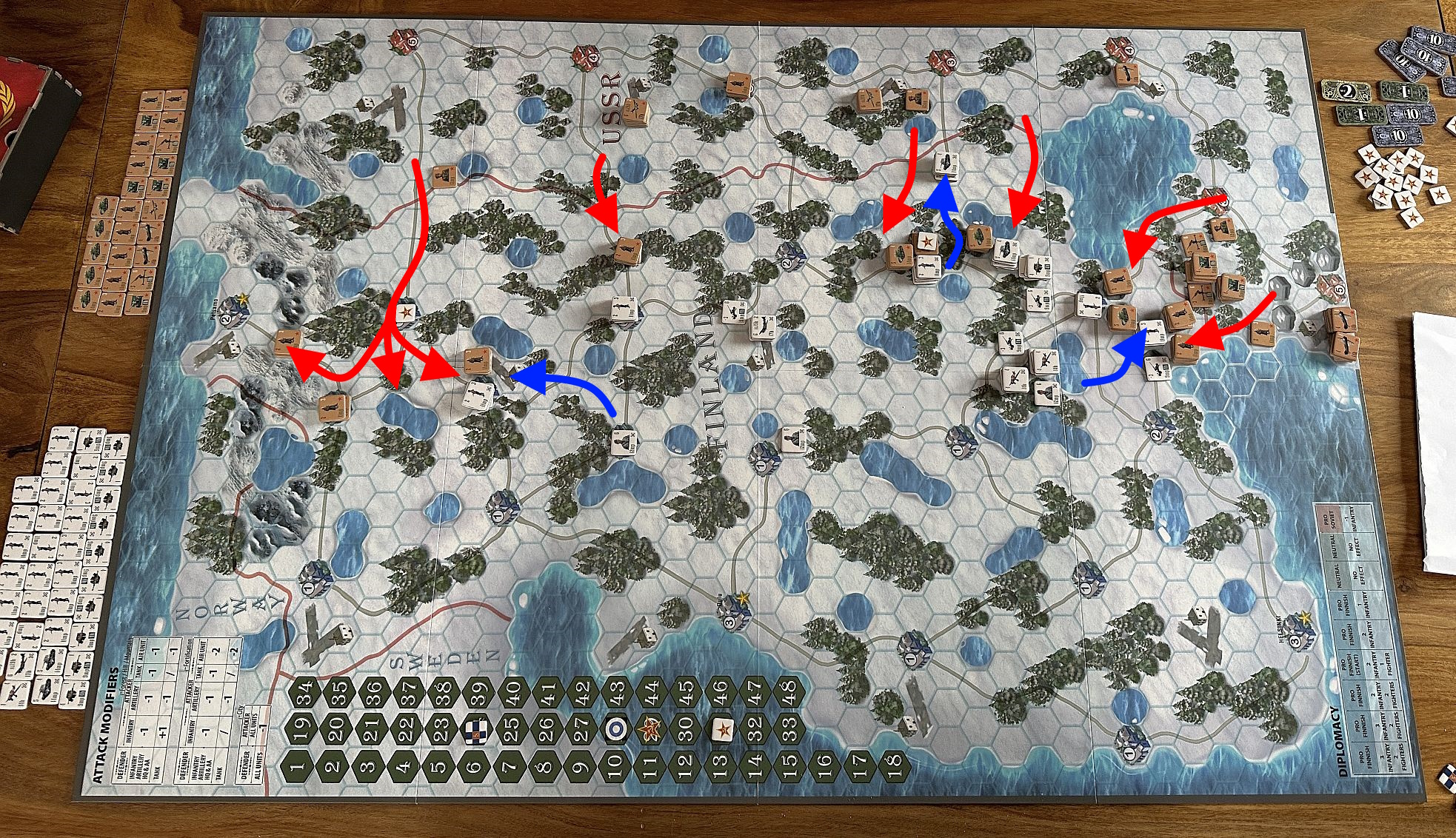
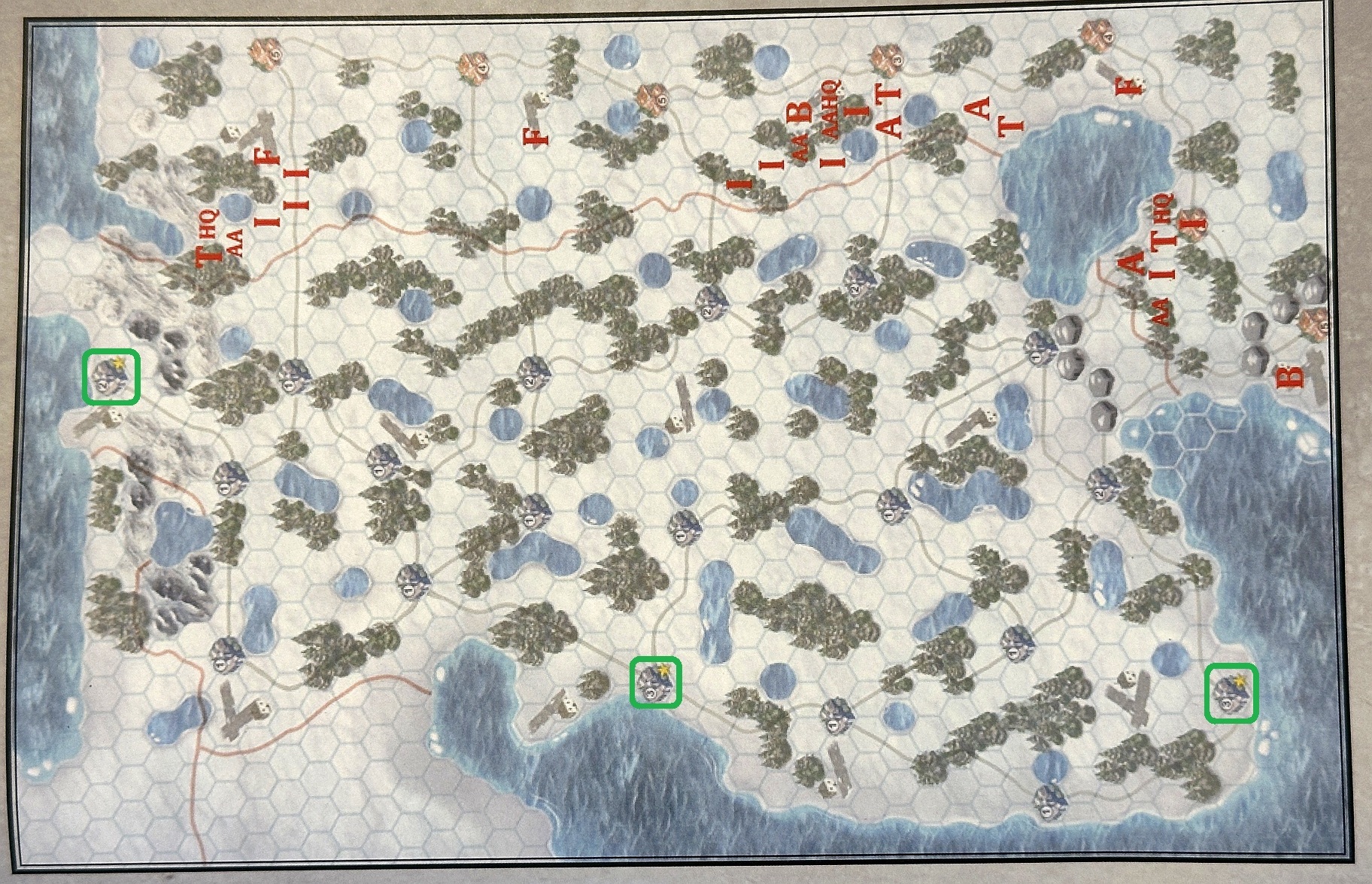
A very bloody beginning for USSR and then gradual attrition and collapse of Finnish lines. What a game – we learned a lot here and had tons of fun!
Solitaire Session Report
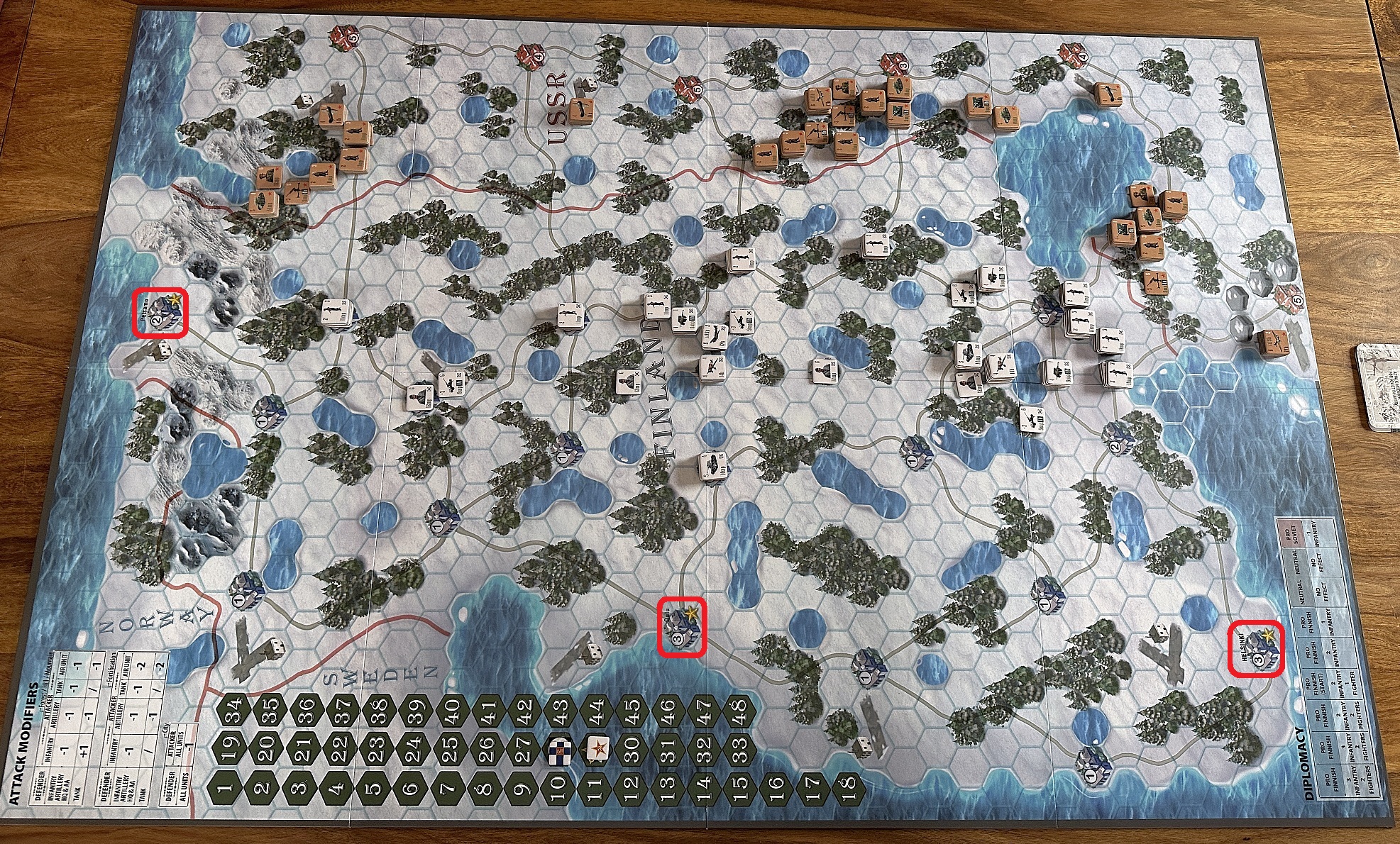
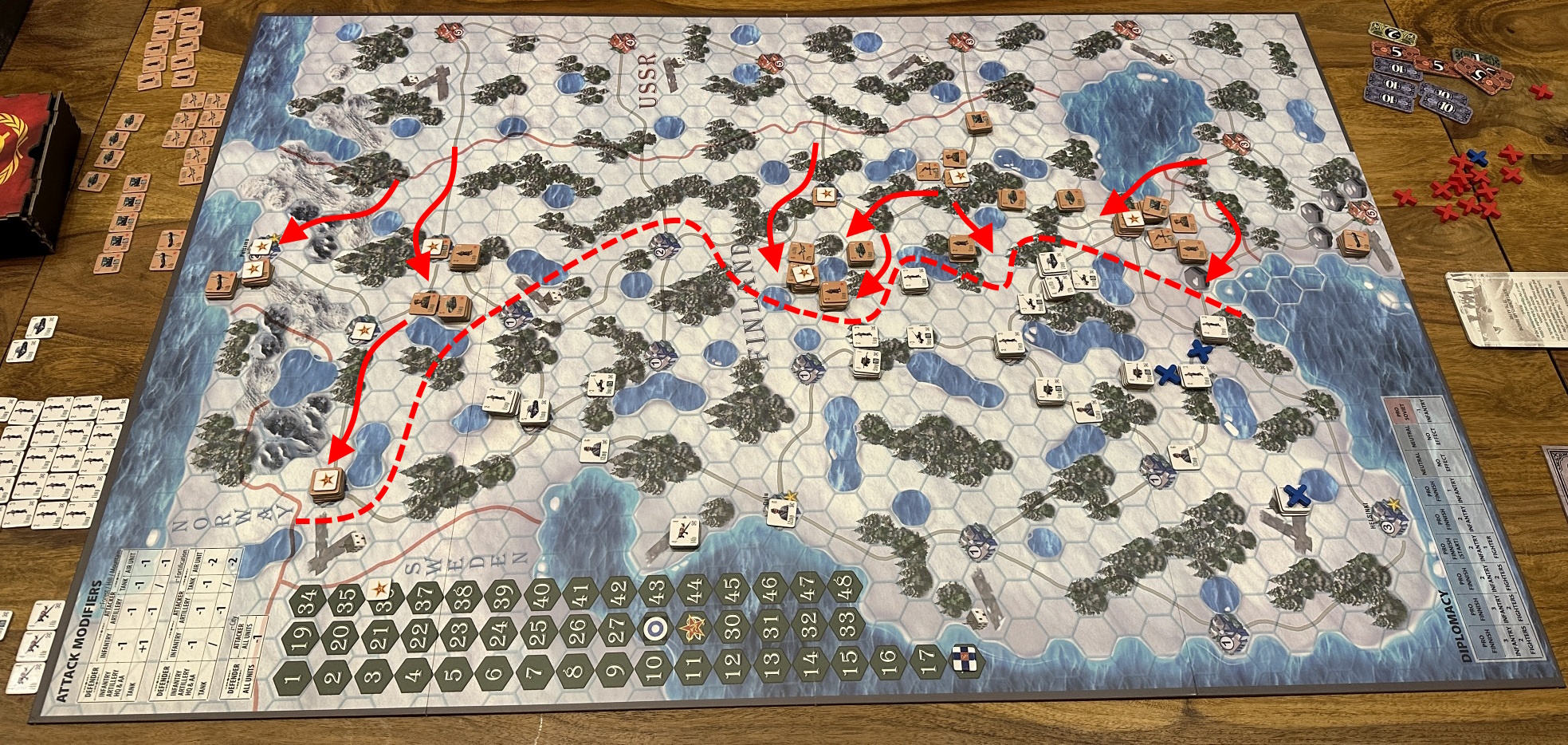
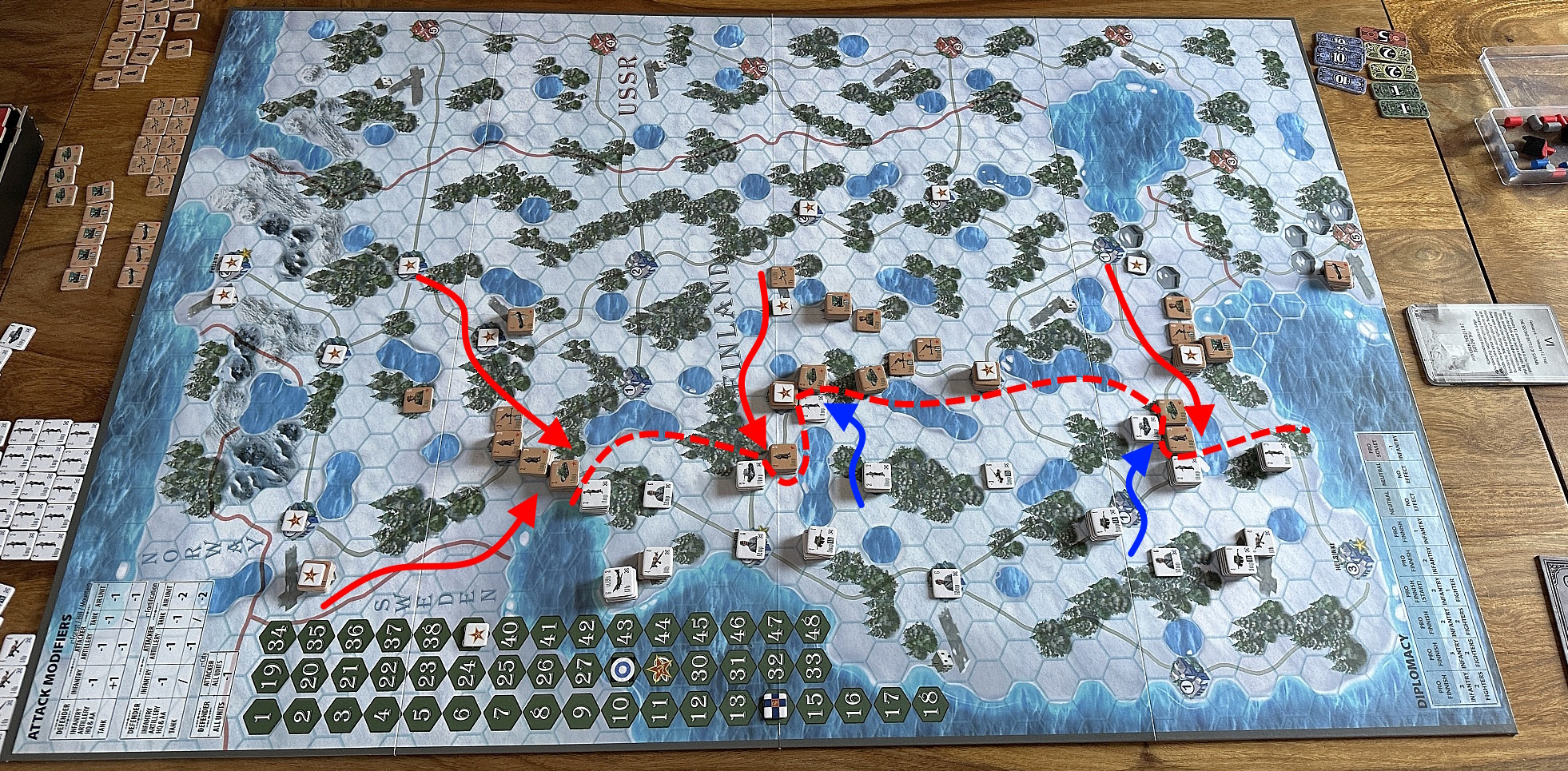
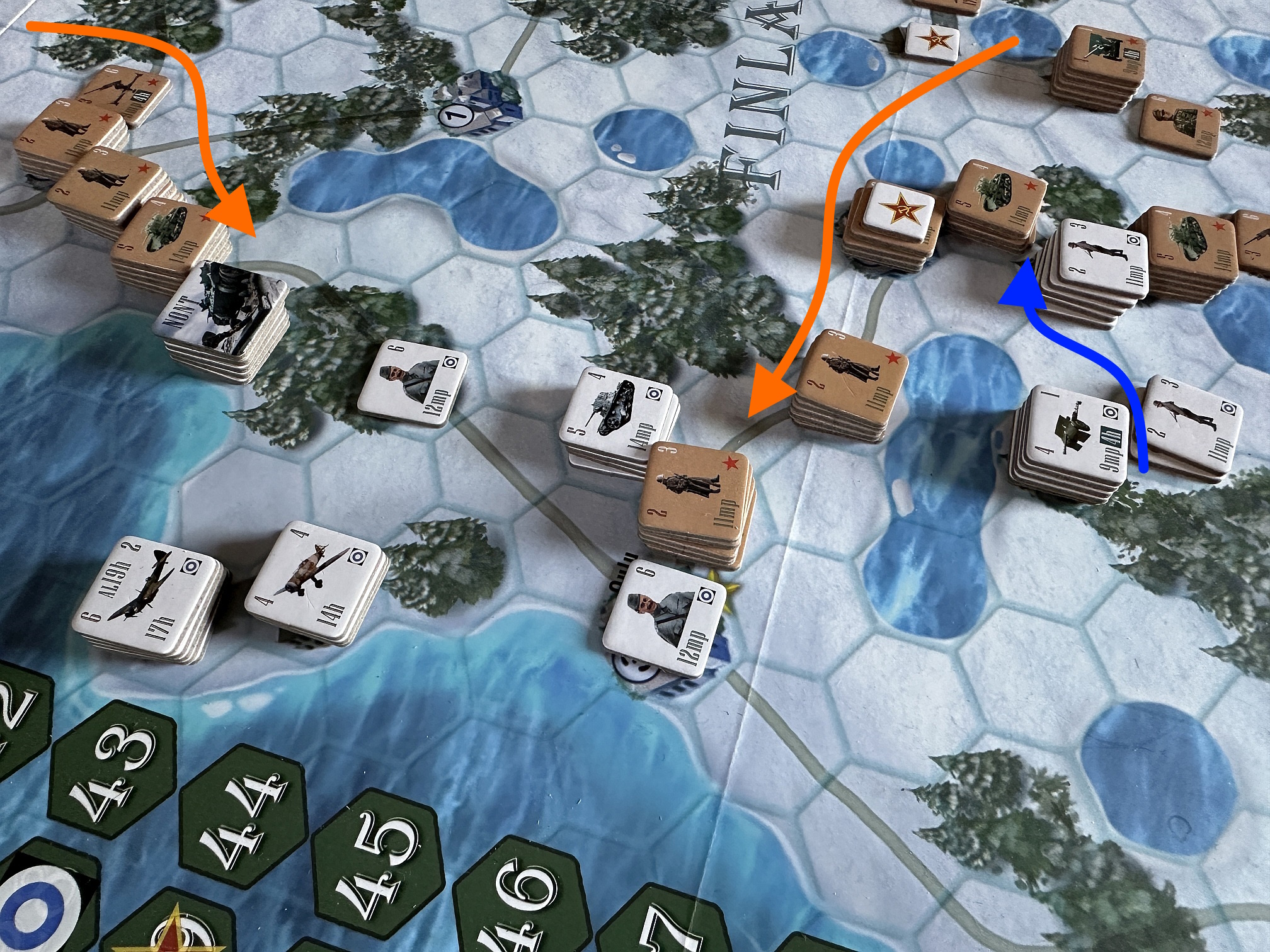
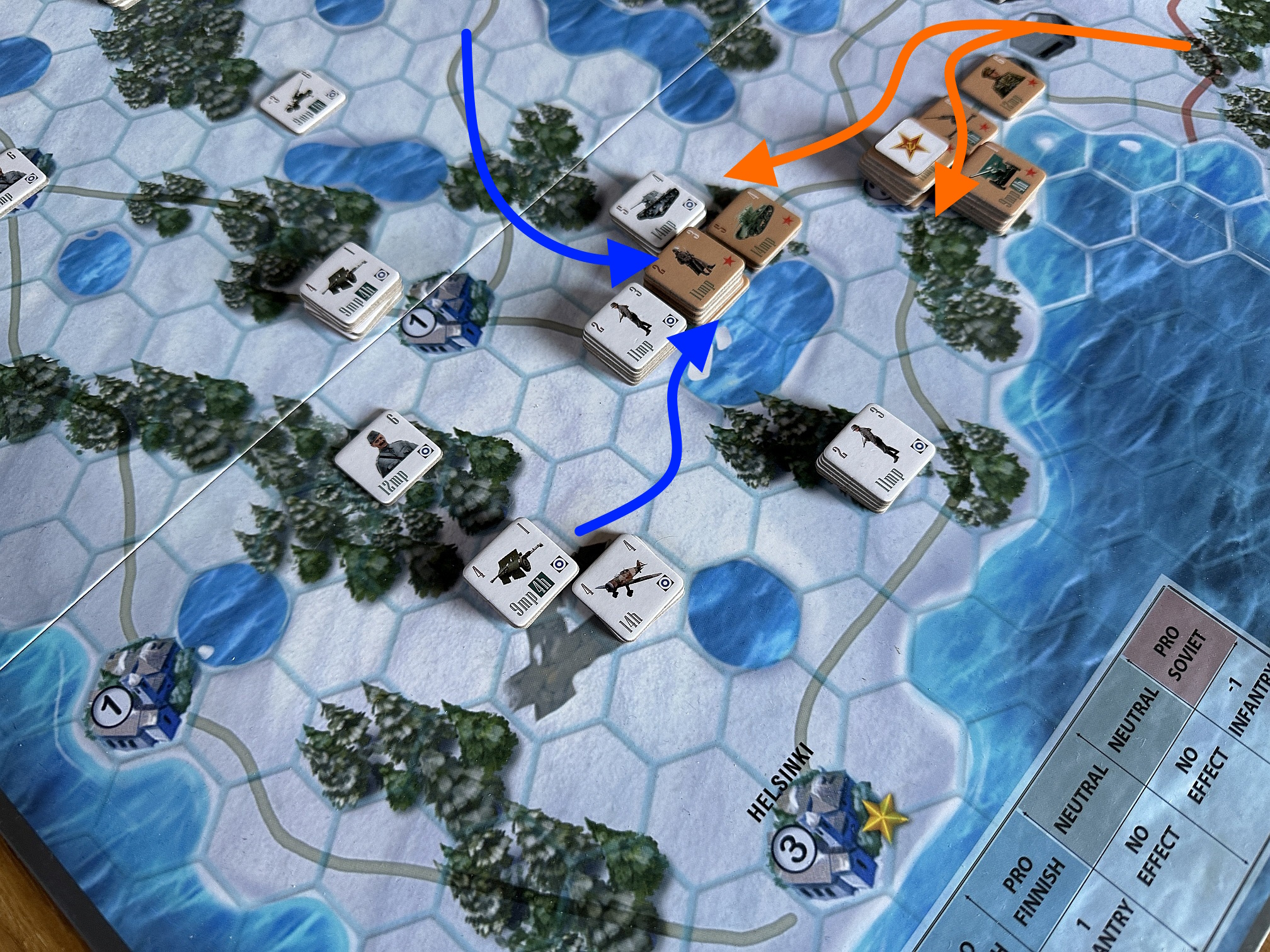
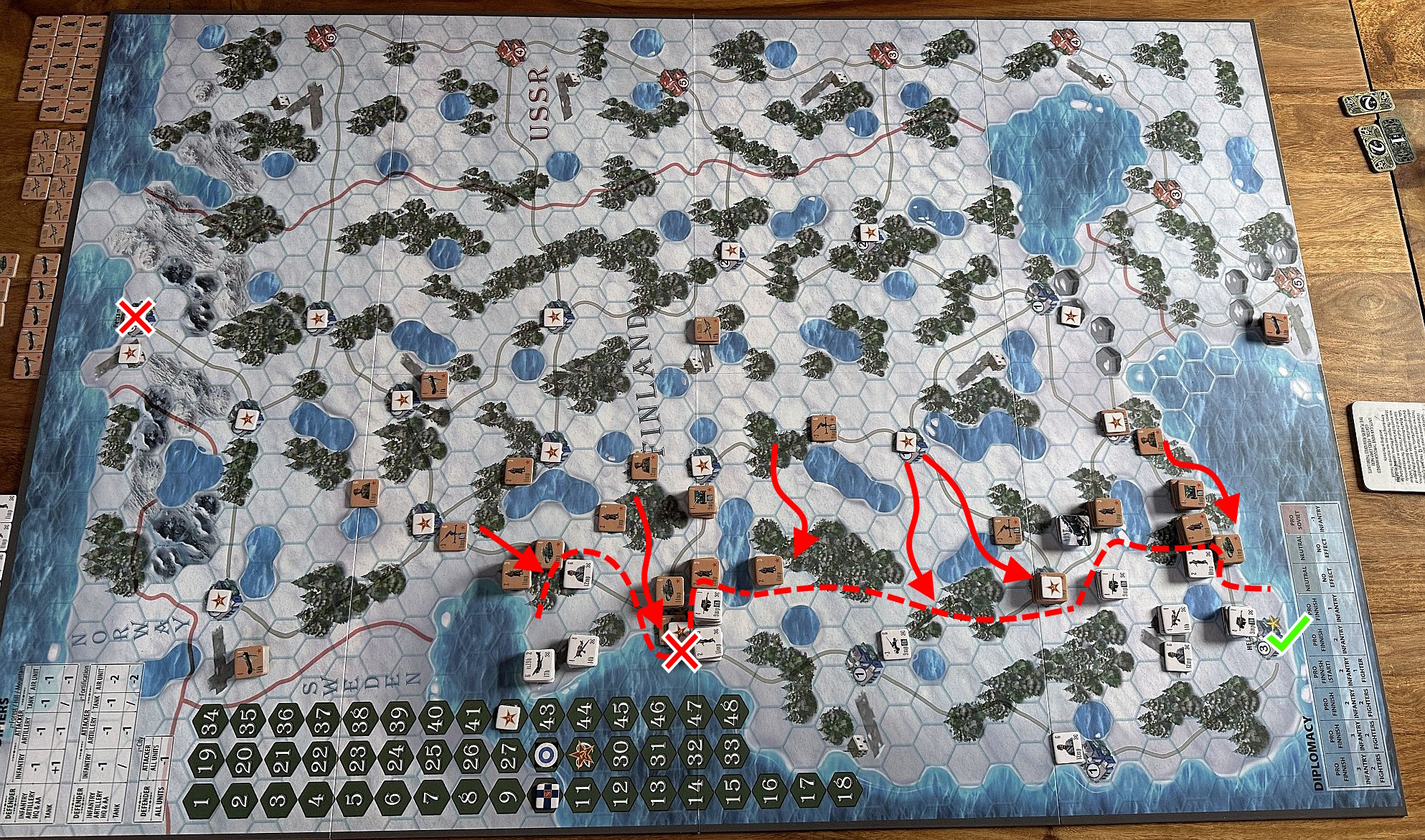
Another super exciting session, where the final result of the USSR aggression was unclear till the last Turn! Brave Finns inflicted serious losses on invaders, defended the capital but in the end were defeated 😦
First Impressions
These were two very enjoyable sessions which gave me a good insight into game mechanics, elements I like and appreciate and some minor glitches which I will also point out. So, let us see:
- This title is in essence a one-scenario wargame. You would think, what replayability we can get here? Huge! First of all, we have variable set-up – several pre-arranged forces dispositions for both sides (with of course, historical as primary). You can go with historical one, pre-arranged one or completely free. Secondly, we are getting random events – one out of three every turn, which spice-up the game with a light change to the game conditions. Thirdly, you have couple of interesting optional rules.
- The game is very thematic – you really feel the huge Soviet onslaught and fighting for survival. All of this in climatic, white shades of the map.
- What I appreciate very much is how solitaire friendly this position is. We are getting very straightforward, intuitive bot and can easily play solo. Cool!
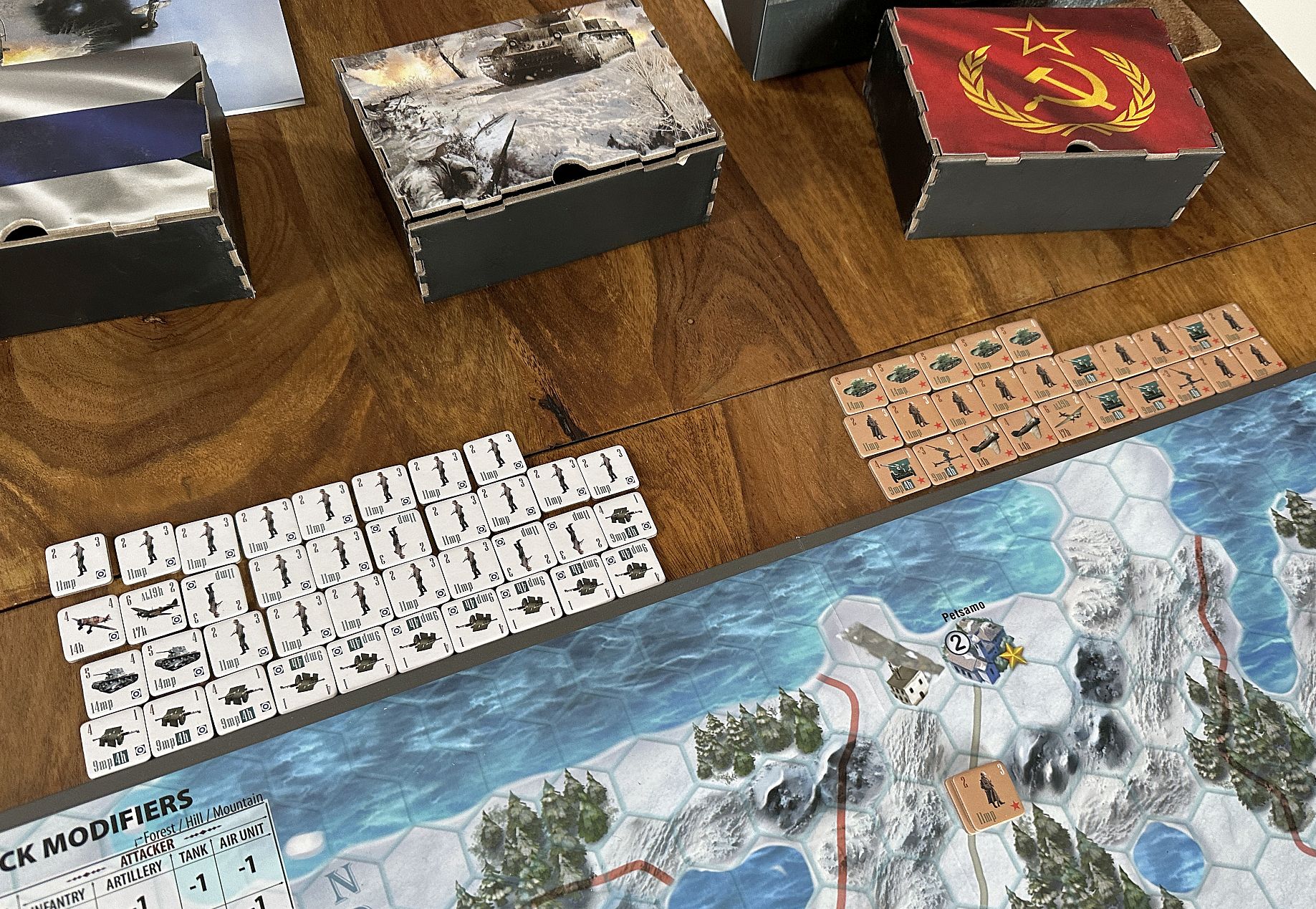
- One should not forget how beautiful this game is – very high quality of components, two map versions, nice, detailed counters, special cardboard boxes to hold the pieces.
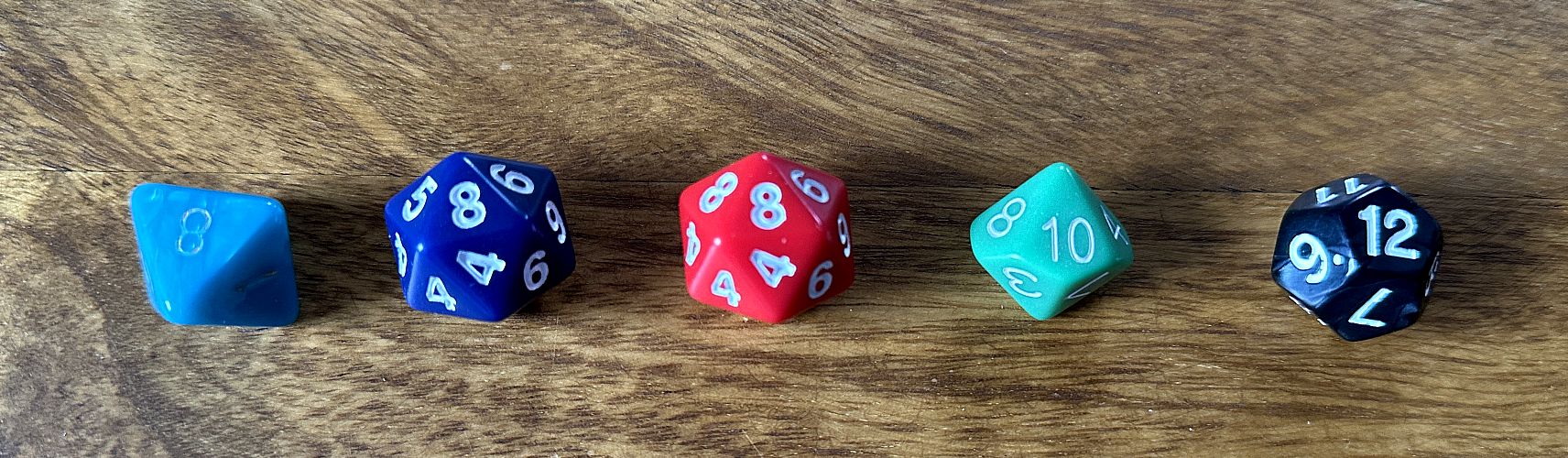
- There is couple of dice needed to play this game, with d8 predominant. But to mitigate the randomness, you are getting three variants of those, which will greatly diminish likelihood of edge results (that is one’s and eight’s).
- What was a bit problematic for me is stacking of the counters – or rather marking the strength of the unit. Fully equipped and healthy unit has 5 counters. With each loss you take one out. But then, it is not so easily to quickly evaluate whether it is five or four, three or two strengths still left. And you need to check it manually. I know there are miniatures where this is nicely solved, but as for the counters that was probably only elements which I can call out as improvement area (although, to be honest, not sure how else to do it?)
As you can see, the game made a pretty positive impression on me. I definitely like it and can’t wait to see the next title from the same publisher – The Battle of Khalkhin Gol! Seems like another delicious wargame for us!
 The Boardgames Chronicle
I have the game and have played it once in solitaire mode. The Soviets won as they did in your play throughs. Fun and easy to play, although the stacks of counters can be a mild annoyance.
LikeLiked by 1 person
Looks like we have similar experiences 🙂
LikeLike