

To immediately jump to the Game Page follow the below link:
Michal: Hi David and welcome back to The Boardgames Chronicle blog! As a prolific author of such great game series like Undaunted or Valiant Defense, you are probably known to most of the wargaming enthusiasts. But for those who are new to the hobby, please tell us a little about yourself. What do you do for a living? What games do you play?
David: Hi, Michal. Thanks as always for having me! For my day job, I work as a defense analyst for the U.S. government. But in the board game hobby people know me best for my co-design work. I’ve been fortunate to co-design series like Undaunted and War Chest with Trevor Benjamin and many other games with designers like Roger Tankersley, Liz Davidson, and lots of others. As for what I play—my tastes are pretty broad. My first love is historical games, of course, but I also play a lot of Euros and family-weight games with my kids.
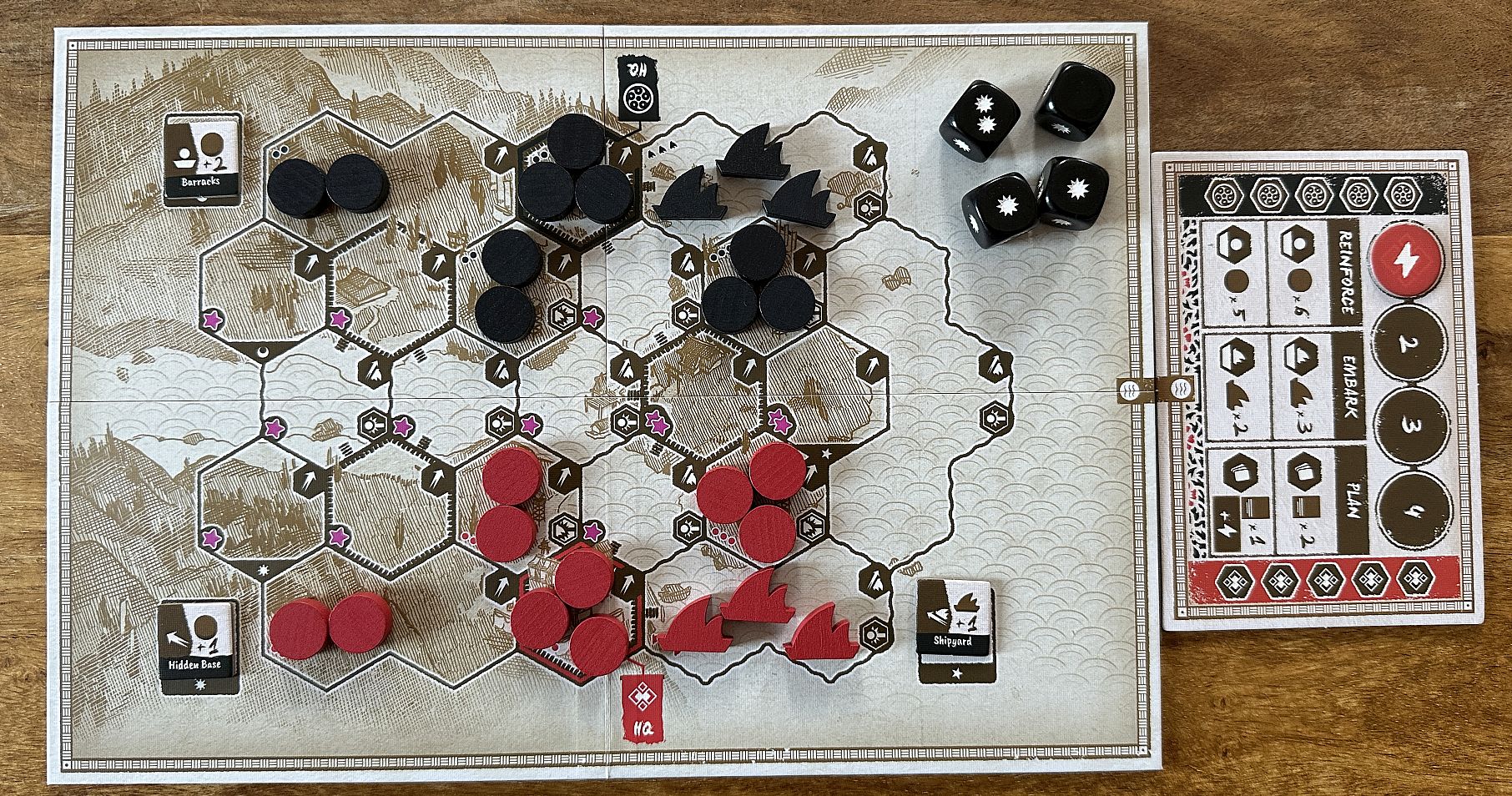
Michal: Sengoku Jidai is already the second installment designed by you in the General Orders series. What inspired that title? Where did you get the idea?
David: The original General Orders: World War II was all about creating a tight, streamlined worker-placement wargame. When Trevor and I met with Osprey to discuss the setting for the second game, we brainstormed lots of different possibilities. We knew we wanted to explore different historical periods where the core system could be reinterpreted. The Sengoku period in Japan stood out because it allowed us to explore new ideas such as ship and siege combat in a fresh setting. It felt like a perfect fit for the General Orders system—familiar to returning players, but with its own distinct identity.
Michal: What are the key components of the game?
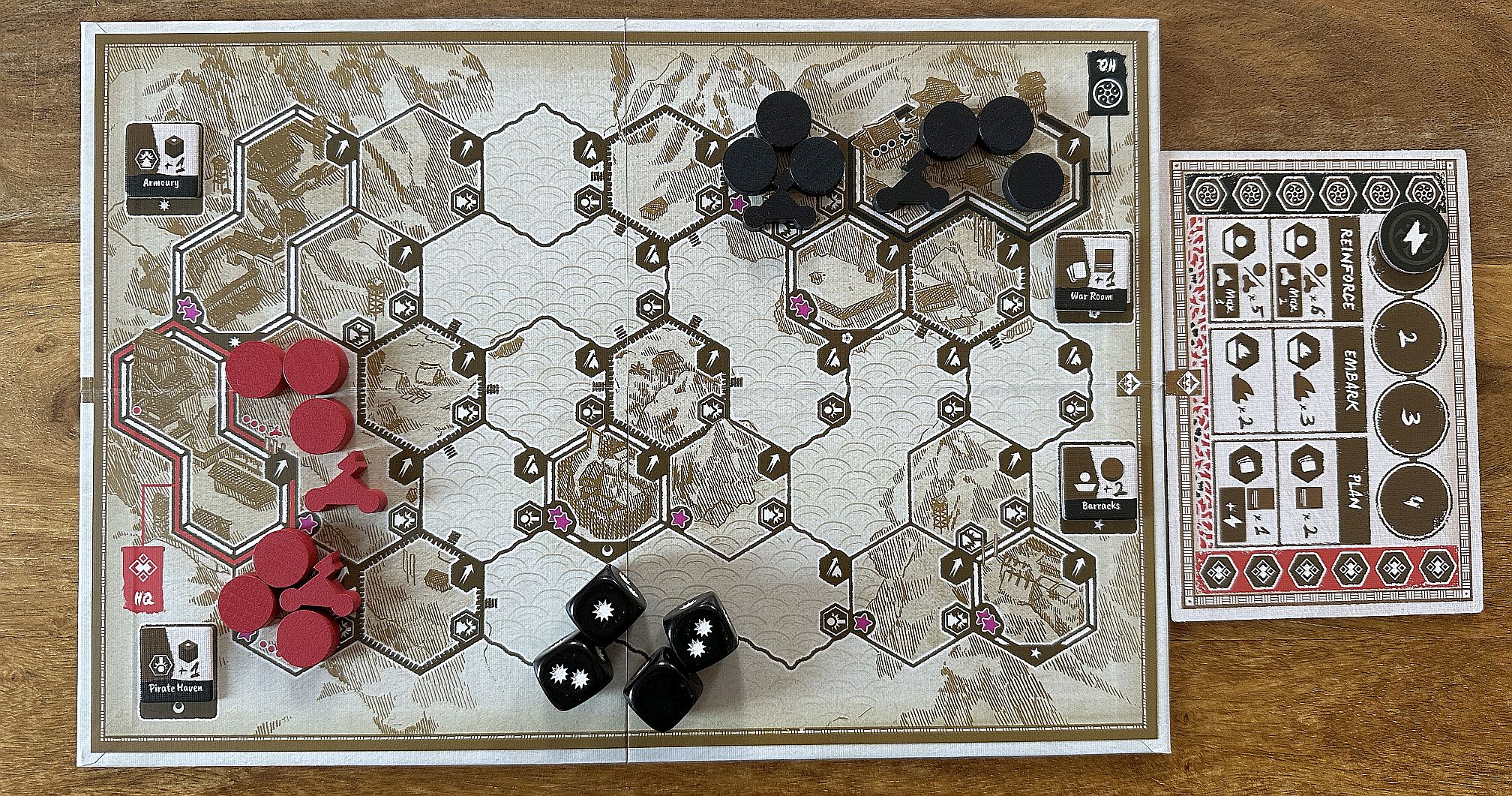
David: At its heart, the game is still driven by a small map and a limited number of “workers”—your commanders—who you place to issue orders. In Sengoku Jidai, those orders revolve around controlling fortresses, maneuvering troops across rivers, and making use of siege weapons to support your troops. Like in the first game, the rules are tight and accessible, but we provide a whole new experience with the new units and wrinkles we introduce.
Michal: How do both sides determine victory?
David: Victory comes through control of key locations or by removing all of your opponent’s troops from their headquarters. The game is designed to keep pressure on both players from the very first move. You can’t just sit back defensively—you need to expand your presence, but every move comes with risk.
Michal: Now, as for the new mechanics and solutions in Sengoku Jidai, what would they be in comparison to World War II? How will the games differ?
David: We wanted the Sengoku setting to bring new layers without losing the simplicity that made World War II work. One of the big changes is the introduction of fortresses and siege weapons—holding castles is critical, but they also become targets for your opponent, so there’s a dynamic back-and-forth over fortified positions. Ships and river spaces also introduce entirely new challenges and opportunities for maneuver.

Michal: If you would like to look at General Orders: Sengoku Jidai and answer the question—what makes this game unique? What would you like to call out?
David: For me, it’s the combination of accessibility and historical flavor. The rules are light enough that you can teach them in just a few minutes, but the decisions are tough and every choice feels meaningful. And while the system is streamlined, it still captures the spirit of the Sengoku period—this sense of rival daimyos jockeying for dominance through both open conflict and careful positioning. I think that mix is what makes the General Orders series stand out. It’s certainly not a historical simulation, but that’s not what it’s trying to do. It’s just trying to open the door to an interesting historical setting in a tight, tense, two-player package.
Michal: Looking into the future, what new & exciting designs shall we see from David Thompson in coming months? And what are a bit more long-term plans of yours?
David: Oh boy – 2026 is really shaping up to be an exciting year. I have lots of co-designs that should be released next year, to include:
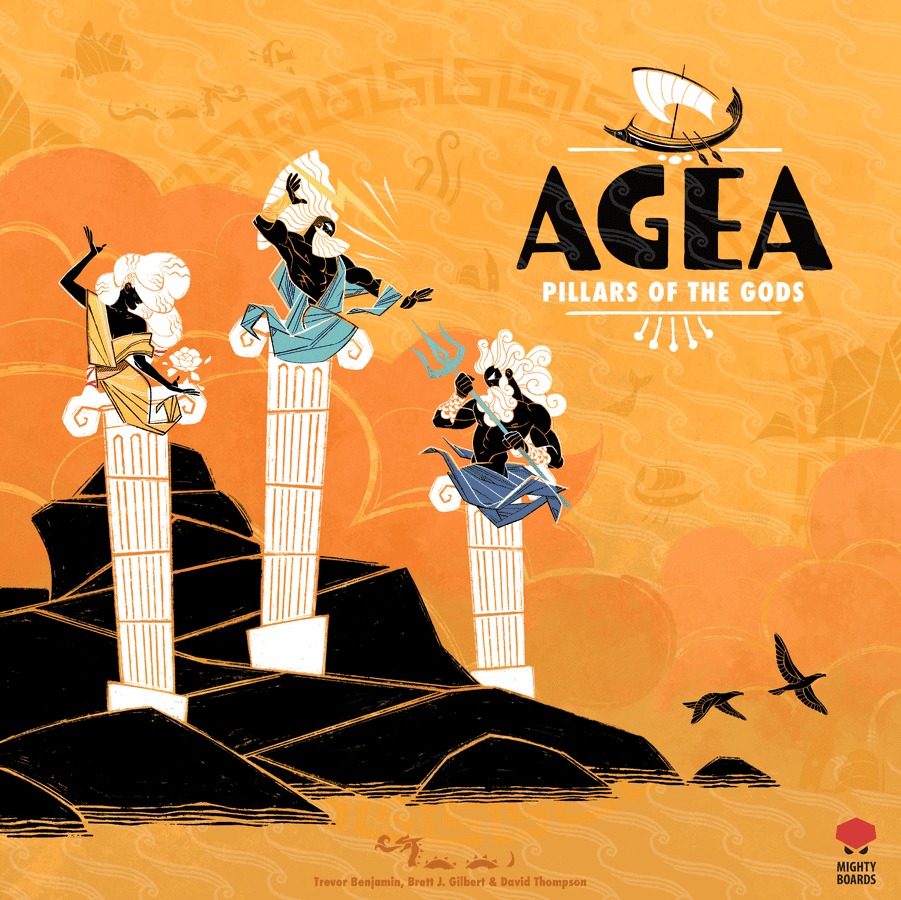
- Agea: published by Mighty Boards; co-designed with Trevor Benjamin and Brett J. Gilbert.
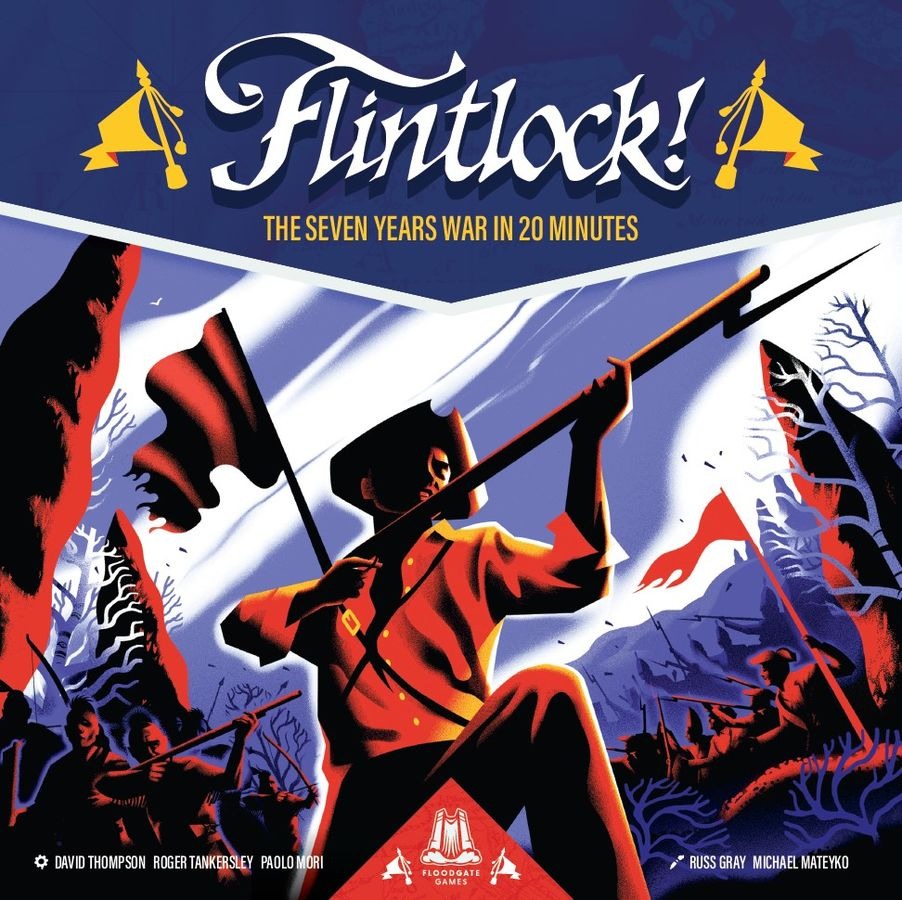
- Flintlock: published by Floodgate Games; co-designed with Roger Tankersley and based on Paolo Mori’s Blitzkrieg! system
- Moytura: published by Bitewing Games; co-designed with Trevor Benjamin
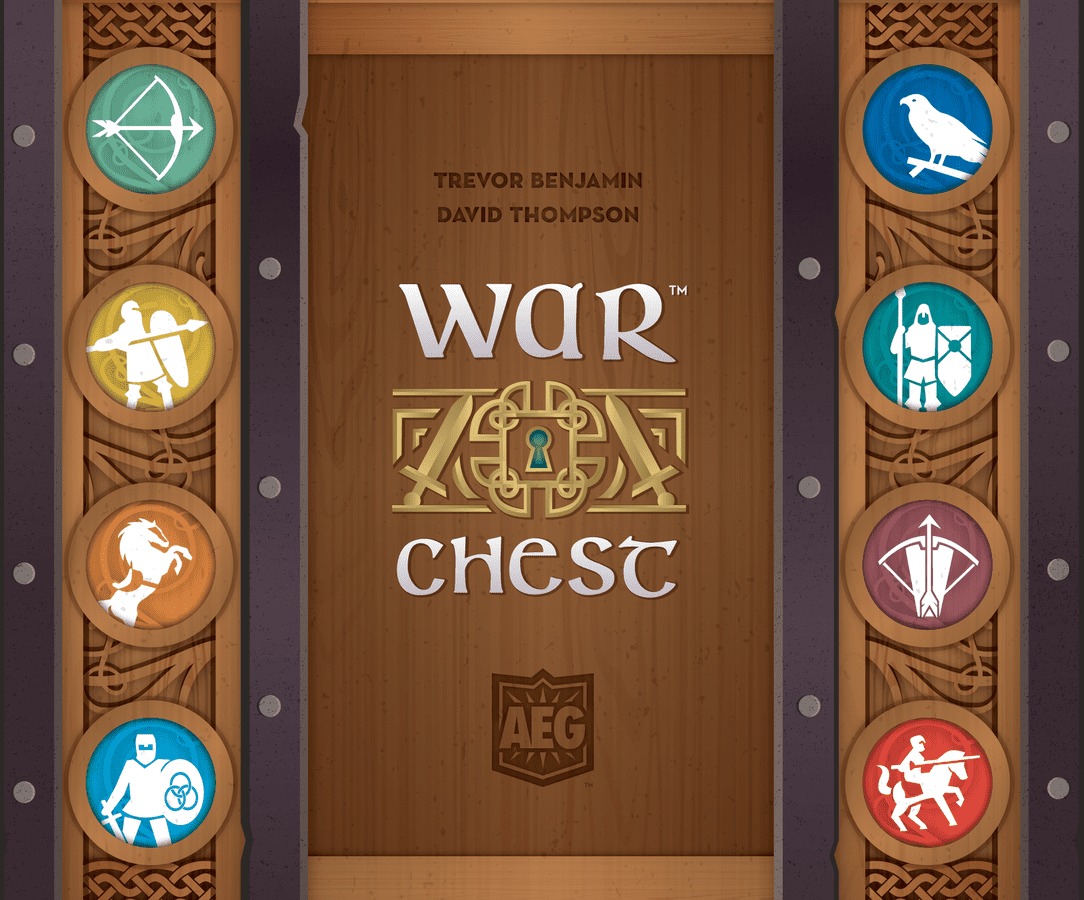
- War Chest: Shock Tactics: published by AEG; co-designed with Trevor Benjamin
- Night Witches: published by Fort Circle Games; co-designed with Liz Davidson
- Sniper Elite: Operation Kraken (and Escalation); co-designed with Roger Tankersley
In addition, my first American Civil War design (Rebels Against Rebellion — designed with Trevor Benjamin and published by Flying Pig Games) has just moved from the design stage to art and graphic design and may be out in 2026 too.
As for long-term, I’ll just mention that Non-Breaking Space (Cross Bronx Expressway, Combat Commander: Vietnam) and I are continuing our work on a game about the Fifth Platoons during WW2. There are lots of other projects in the works, but that’s the one I’m most excited about right now that I can discuss!
Michal: Thank you very much for the interview, David! Any last word you would like to add?
David: Just a big thank you to the players who continue to support these games. The feedback and enthusiasm from the community are what make it possible to keep exploring new designs. And of course, thanks to Trevor, Osprey, and everyone involved in bringing General Orders: Sengoku Jidai to life.
 The Boardgames Chronicle