
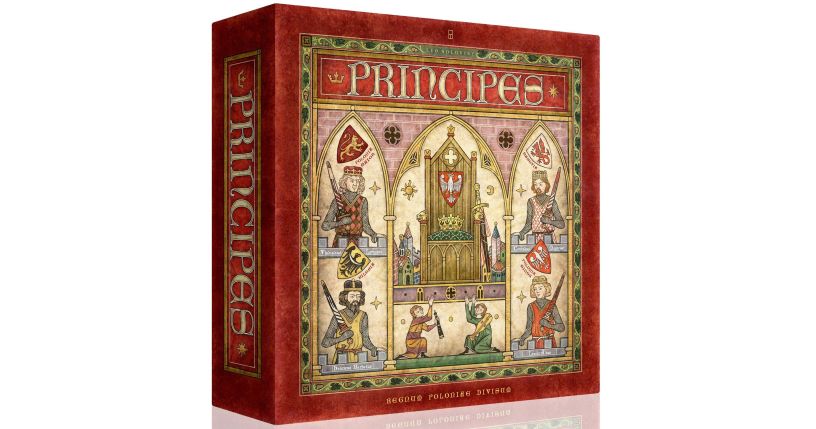
To immediately jump to the Gamefound page of the game go here:
(🇵🇱) Polish version of interview follows below. Click to jump to it.
Michal: Hi Leo and welcome to The Boardgames Chronicle blog! Please tell us a little about yourself. What do you do for a living, and what games do you play? Also, what is your role in the design and publication of this title?
Leo: Hi, I’m 30 years old, and I live in the former Principality of Polonia Maior, Poland. By education, I’m an architect, but by choice, I became a gamechitect. After my studies, I designed Bretwalda, which is currently being published by Phalanx. Right now, I’m fully focused on developing Principes and preparing its campaign. I take a holistic approach to game design, working on both the mechanics and the entire visual presentation of my projects.
Michal: Now, as for the game, what inspired Principes? I believe not many readers know and are familiar with that part of Polish history.
Leo: Yes, this history is little known outside of Poland, but it’s truly fascinating, so I believe we should promote it as widely as possible. The period of feudal fragmentation was nearly 200 years of an unending Polish Game of Thrones. The kingdom was divided in 1138 by the testament of Boleslav the Wrymouth among his sons. They were supposed to rule in harmony and respect the seniority of the eldest, but that never happened. The kingdom was permanently reunited only in 1320.

This is the first game set in this historical period, and its story begins in the early 13th century, when chaos intensifies, and Poland is divided into four equal Principalities ruled by ambitious, power-hungry Princes. As for inspiration, this theme had always been at the back of my mind as a great setting for a game. However, the first sketches started taking shape in 2020, when I was working seasonally in the Netherlands. In the evenings, longing for my homeland, I found myself reflecting on the history of my country.
Michal: What are the key components of the game?
Leo: There’s quite a lot! 😉 But the main component that immediately stands out is the map of the divided Kingdom of Poland, where all the action in Principes takes place. The map is enclosed within a circle and oriented toward the center so that every player has an equally comfortable experience.

Beyond the map, the game includes additional boards, five types of cards, numerous tokens, dice, and, of course, miniatures representing different factions in the game. All components are designed in the style of a 14th-century artwork (in particular being inspired by the famous Codex Manesse). Just like with Bretwalda, I believe that a historical game should be told in the visual language of its era. I even created a legend stating that the game was commissioned by the ultimate victor, who crowned himself in 1320 and ended the period of feudal fragmentation -Vladislav the Cubit. According to this legend, he commissioned the game from German artisans to commemorate his own achievements and those of his ancestors.
Michal: Can you elaborate a little about the game mechanics?
Leo: Principes is a hybrid game, with many mechanics based on the systems from my previous game, Bretwalda, which I adapted, modified, and added new elements to during development. The core mechanic is based on planning 3 out of 6 available actions each round: progress, taxes, assembly, movement, building, and politics.
As for the genre, it’s primarily an area control game, so the struggle for specific territories is key. However, it also features elements of wargames (army management, strategic maneuvers, and battles) and eurogame mechanics (engine building, infrastructure development, and worker placement for special agents). So, it’s a sort of mix that has the potential to appeal both to wargamers and to more casual eurogame players. There’s no one clear strategy for winning; the crown can be obtained either through military dominance or through careful expansion of potential and influence.
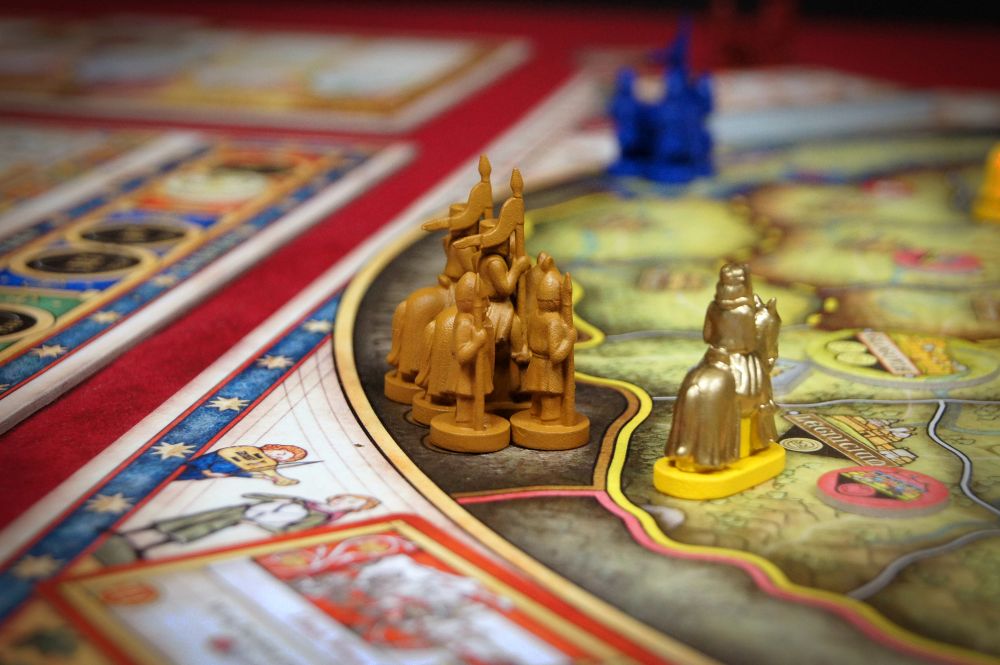
My goal was to create a sandbox experience—giving players the tools and immersing them in a medieval kingdom, and then allowing them to choose how to use them and which path to follow. The choice is entirely up to them. If I had to highlight one mechanic that makes Principes stand out, it would definitely be the Neighbor mechanic. Poland is surrounded by 6 Christian factions, which players can use as proxies via special cards to attack their opponents from behind. Players can also block the movements of these neighbors if they have the right relations with them. This system has been particularly well-received by testers, as it introduces a lot of dynamism into the gameplay – players can never feel completely safe.
Michal: How do players determine victory in Principes?
Leo: The victory condition is based on 3 tracks: Might, People Support, and Clergy Support. To win the game, players must achieve the highest position on all 3 tracks and then call a Council, where they will declare their right to the throne. It’s not an easy task – you constantly need to think on three levels and plan the right action at the right moment to capitalize on the ever-changing situation. 😉
Michal: Recently the solo modes for the games are getting more and more popular. Do you plan such type of play for Principes? If so, can you tell us a bit how it will work?
Leo: I am definitely planning to include a solo mode. The system will be based on a sort of race against time. For now, I can’t reveal more, but once the system is ready, I will dedicate a separate update to it on the campaign page.
Michal: Now, as for Principes itself, what makes this game unique?
Leo: What stands out at first glance is, of course, the visual presentation. Principes is the second game on the market (after Bretwalda) that consistently uses only the stylistic elements of the era it represents.

The second aspect is the theme – despite appearances, there aren’t many area control games set in the medieval period, and none yet set in Polish medieval history. However, I think you’re more interested in the mechanics. As I mentioned earlier, I believe the alliance system with the Neighbors is the most unique mechanical feature of the game. As far as I know, there’s no direct equivalent to it. Besides this particular mechanic, testers also note the freedom and variety of tools the game offers. In the classic Game of Thrones, the method for victory is quite repetitive and singular, whereas here, each time we write a different story.
Michal: How are you publishing the game, and where can players interested in the project get more
information?
Leo: After Bretwalda, I decided to take on the challenge of self-publishing for my next project, so this time, I’m handling everything myself. For some time now, there has been a Principes page on Gamefound (I encourage you to follow it to grab a Princeps figure 😉 ), where you can find more information about the game.

I’m currently planning to launch the crowdfunding campaign in mid-May (remark: it already started: https://gamefound.com/pl/projects/leo-soloviey/principes), so it’s just around the corner. In addition, from the beginning of the project, I’ve been running a fan page for the game on Facebook: Principes. I report all progress related to the development of the game there (the fan page is in Polish, but I encourage you to check it out – often a picture speaks more than a thousand words 😉 ).
Michal: What are your future plans? Any new designs or current games in preparation?
Leo: After Bretwalda, I started working on a game set in feudal Japan. However, in 2023, I submitted a scholarship application to the Polish Ministry of Culture and National Heritage with the idea of creating Principes. The project was accepted, and I dedicated the entire year of 2024 to working on Princes (“principes” means “princes” in Latin). If the Principes campaign is successful, I plan to return to working on the Japanese project. Additionally, I have several more historical area control games planned. My goal is to create an entire series, so I definitely have plenty to keep me busy. 😉
Michal: Thank you very much for the interview! Any last word you would like to add?
Leo: Well, I invite you to follow the project on Gamefound and support the game during the campaign, which is approaching quickly. And don’t worry about the theme -I believe the game can be just as interesting for Poles as it can be for the entire world. Thanks, and take care! 🙂
(🇵🇱) Polska wersja wywiadu
Michal: Cześć Lew i witaj na blogu The Boardgames Chronicle! Opowiedz nam trochę o sobie. Czym się zajmujesz i w jakie gry grasz? A także o swojej roli w projekcie PRINCIPES.
Lew: Cześć, mam 30 lat, pochodzę z Polski i mieszkam w dawnym księstwie Polonia Maior. Z wykształcenia jestem architektem, ale z wyboru zostałem gamechitect. Po studiach zaprojektowałem Bretwalda, która wydawana jest obecnie przez Phalanx. Aktualnie w 100% zajmuję się tworzeniem Principes i przygotowaniem kampanii. Do projektowania gier podchodzę holistycznie, zajmuję się tworzeniem zarówno mechaniki jak i całej oprawy wizualnej moich projektów.
Michal: Co zainspirowało grę PRINCIPES? Wydaje mi się, że czytelnicy zagraniczni mogą nie do końca znać historię rozbicia dzielnicowego Polski.
Lew: Tak, ta historia jest mało znana poza granicami Polski, a jest naprawdę fascynująca, więc uważam, że powinniśmy ją propagować jak najszerzej. Okres rozbicia dzielnicowego, to czas niemal 200 lat bezustannej, polskiej Gry o Tron. Królestwo, wskutek testamentu Bolesława Krzywoustego zostało podzielone w 1138 roku między synów. Ci mieli rządzić w zgodzie i szanować zwierzchność najstarszego z nich, ale tak się nie stało. Królestwo zjednoczyło się na trwałe dopiero w 1320 roku. Jest to pierwsza gra, która osadzona jest w tej historii, a jej akcja rozpoczyna się na początku XIII wieku, kiedy to chaos przybiera na sile i Polska podzielona jest na 4 równorzędne księstwa rządzone przez ambitnych, głodnych władzy książąt.
Co do inspiracji, to po prostu ten temat zawsze tkwił gdzieś z tyłu mojej głowy, jako świetny materiał na grę, ale pierwsze szkice zaczęły powstawać w 2020 roku, kiedy to pracowałem sezonowo w Holandii i w tęsknocie za ojczyzną wieczorami rozmyślałem nad historią swojego kraju.
Michal: Z jakich komponentów składa się gra?
Lew: Trochę tego jest… 😉 , ale głównym komponentem, który od razu rzuca się w oczy jest mapa podzielonego Królestwa Polskiego, na której rozgrywa się cała akcja Principes. Przedstawienie zamknięte jest w kole oraz orientowane jest do cenrum, tak aby każdemu z graczy grało się tak samo wygodnie.
Oprócz mapy mamy dodatkowe plansze, 5 rodzajów kart, mnóstwo żetonów, kości, no i oczywiście figurki przedstawiające różne frakcje występujące w grze. Wszystkie komponenty stylizowane są na dzieło z XIV wieku. Podobnie jak w przypadku Bretwaldy i tutaj wychodzę z założenia, że historyczna gra powinna być opowiadana językiem swojej epoki. Ukułem nawet legendę, według której gra stworzona została na zamówienie ostatecznego zwycięzcy, który koronował się w 1320 roku i zakończył okres rozbicia dzielnicowego – Vladislav the Cubit – który w ten sposób chciał upamiętnić swoje (oraz swoich przodków) dokonania.
Michal: Czy mógłbyś teraz opowiedzieć trochę o głównych mechanikach gry?
Lew: Jest to gra hybrydowa, której wiele rozwiązań bazuje na systemach z mojej poprzedniej gry – Bretwaldy, które w toku pracy nad grą przekształcałem, odejmowałem i dodawałem nowe. Rdzeń mechaniczny polega na planowaniu co rundę 3 z 6 dostępnych akcji (progress, taxes, assemby, movement, building, politics).
Jeżeli chodzi o gatunek gry, to jest to oczywiście przede wszystkim area control, a więc walka o konkretne ziemie jest kluczowa, ale są w niej elementy gier wojennych (zarządzanie armią, strategiczne manewry oraz bitwy), a także systemy euro (budowanie silniczka, rozbudowa infrastruktury, worker placement specjalnych agentów). Także jest to swego rodzaju melanż, który ma szansę spodobać się zarówno wargamers jak i bardziej spokojnym graczom euro. Nie ma też jednej strategii na wygraną, koronę można zdobyć zarówno poprzez dominację wojskową jak i pojową rozbudowę potencjału i wpływów. Zależało mi na stworzeniu wrażenia sanbox – daję graczom zabawki i przenoszę ich do średniowiecznego królestwa, a co z tym zrobią i jaką drogę wybiorą – to już zależy tylko od nich.
Jeżeli miałbym wmienić jedną mechanikę, która wyróżnia Principes, to jest to na pewno mechanika Sąsiadów. Polskę otacza 6 chrześcijańskich frakcji, które gracze poprzez specjalne karty mogą wykorzystywać jako swoje proxy i atakować przeciwników od tyłu. Gracze mogą także blokować ich ruchy, jeśli również mają odpowiednie relacje z danym Sąsiadem. Jest to rozwiązanie, które szczególnie podobało się dotychczasowym testerom. Wprowadza bardzo dużo dynamiki w rozgrywce, nigdy nie można czuć się w pełni bezpiecznym.
Michal: Jednym z kluczowych pytań jest sposób osiągniecia zwycięstwa w PRINCIPES. Opowiedz nam trochę o tym.
Lew: Teoria zwycięstwa opiera się na 3 torach: Potęga, Poparcie Ludu oraz Poparcie Kleru. By wygrać grę gracze muszą osiągnąć najwyższą pozycję na wszystkich 3 torach, a następnie zwołać Council, na której ogłoszą swoje prawa do tronu. Nie jest to zadanie łatwe, trzeba cały czas myśleć trzytorowo i w odpowiednim momencie zaplanować akcję pozwalającą skwitować zmienną sytuację. 😉
Michal: Wiele gier ostatnio publikowanych jest z modułem jednoosobowym. Czy planujesz takie rozwiązanie dla PRNCIPES!
Lew: Jak najbardziej planuję, wciąż opracowuję solo mode. System będzie opierał się na swego rodzaju wyścigu z czasem. Póki co nie mogę zdradzić więcej, gdy tylko system będzie gotowy poświęcę mu osobny update na stronie kampanii.
Michal: Patrząc przekrojowo na PRINCIPES, co czyni tą grę wyjątkową?
Lew: To co wyróżnia ją na pierwszy rzut oka, to oczywiście oprawa wizualna, Principes to druga gra na rynku (po Bretwaldzie), która w konsekwenty sposób korzysta wyłącznie ze stylistyki epoki, o której opowiada.
Drugim aspektem jest temat, wbrew pozorom na rynku nie ma zbyt dużo area contro l osadzonych w średniowieczu, a w polskim średniowieczu nie ma jeszcze ani jednej.
Jednak myślę, że w tym pytaniu bardziej chodziło ci o mechanikę. Tak jak już wspominałem, myślę, że system sojuszy z Sąsiadami jest elementem najbardziej wyróżniającym mechanicznie grę, o ile dobrze kojarzę nie ma on swojego odpowiednika. Poza tym konkretnym rozwiązaniem, testerzy zwracają również uwagę na swobodę oraz liczbę narzędzi jaką oferuje gra, w klasycznej już Grze o Tron metoda na zwycięstwo jest dość powtarzalna i jedna, tutaj za każdym razem piszemy inną opowieść.
Michal: W jaki sposób zamierzasz wydać grę i gdzie można się o niej więcej dowiedzieć?
Lew: Po Bretwalda postanowiłem podjąć się wyzwania self-publishing przy moim kolejnym projekcie, także tym razem wszystkim zajmuję się sam. Od jakiegoś czasu na Gamefound jest już strona Principes (zachęcam do follow, by zgarnąć figurę Princepsa 😉 ), można tam dowiedzieć się nieco więcej o grze.
Aktualnie planuję start kampanii crowdfundingowej na połowę maja (aktualizacja: kampania właśnie trwa – https://gamefound.com/pl/projects/leo-soloviey/principes). Poza tym od początku pracy nad projektem prowadzę fanpage gry na Facebook: Principes. Raportuję tam wszelkie postępy związane z tworzeniem gry (fanpage prowadzony jest po polsku, ale zachęcam do zajrzenia – obraz często mówi więcej niż tysiąc słów 😉 ).
Michal: Jakie są Twoje kolejne plany?
Lew: Po Bretwalda zacząłem pracę nad grą osadzoną w feudalnej Japonii. W 2023 roku złożyłem jednak wniosek stypendialny do polskiego Ministerstwa Kultury i Dziedzictwa Narodowego z ideą stworzenia Principes. Projekt został zaakceptowany i cały 2024 rok poświęciłem na pracę nad Książętami (Principes to po łacinie właśnie książęta). Jeśli kampania Principes się uda, to planuję wrócić do pracy właśnie nad japońskim projektem. Poza tym mam zaplanowanych kilkanaście kolejnych histoycznych area control – moim celem jest stworzenie całej serii – także mam co robić. 😉
Michal: Bardzo Ci dziękuje za wywiad. Czy chciałbyś coś jeszcze dodać?
Lew: No cóż, zapraszam do śledzenia projektu na Gamefound i wsparciu gry podczas kampanii, która zbliża się wielkimi krokami. No i nie obawiajcie się tematu, wierzę, że gra może być równie ciekawa dla Polaków, jak i dla całego świata – dzięki i trzymajcie się ciepło! 🙂
 The Boardgames Chronicle
A Polish Game of Thrones? Very cool. I did not know anything about this time period. This really develops the idea of wargames as history lesson.
LikeLiked by 1 person
This is Wayne’s Books. Not sure why I wasn’t logged-in.
LikeLiked by 1 person
Thanks! Indeed, when you read what and how happened – sometimes true history is more fantastic than movies!
LikeLike